

Choosing the right seal packaging in 2026 is no longer a simple cost decision. Global buyers now examine product protection, opening experience, material efficiency, and supply reliability together. A bottle cap seal may protect oils in a hot warehouse. An induction liner may better protect moisture-sensitive powders. A tamper-evident band can provide visible reassurance at retail. Small details matter.
Packaging consultant Neil Farmer once said, “Packaging is not a cost; it is an investment.” That view remains useful for international sourcing. A low-priced seal can become expensive after leakage, damaged cartons, rejected shipments, or customer complaints. In this guide, we compare induction seals, pressure-sensitive liners, foil seals, shrink bands, spout pouches, and other practical formats. The comparison considers sealing strength, application equipment, barrier performance, recyclability, and supplier consistency.
Real purchasing decisions are rarely perfect. Laboratory results may not match a humid loading dock. A seal that performs well on glass may fail on a flexible container. Even experienced teams can underestimate cap torque, surface contamination, or temperature changes during transit. We will therefore examine both strengths and limitations, not just marketing claims. Samples should be tested with the actual container, closure, filling process, and transport conditions. That extra step can reveal wrinkles, weak bonds, or difficult opening forces before mass production begins.
The best seal packaging choice depends on the product, package, market, and operating reality. There is no universal winner. Yet a careful comparison can help buyers reduce avoidable risk and build more dependable global packaging programs.
2026 Best Seal Packaging Types for Global Buyers?
What Seal Packaging Means and Why It Matters in 2026
Seal packaging is more than a closed edge. It is the controlled barrier between a product and heat, moisture, dust, oxygen, or handling damage. A reliable seal can use heat sealing, pressure-sensitive closure, induction sealing, or zipper systems. The right choice depends on the product, material structure, filling speed, and shipping route.
Small details matter. A pouch may look secure, yet a weak seal can open after vibration, humidity, or temperature changes. In one packaging trial, a sample passed an initial leak test but failed after repeated temperature cycling. That result was disappointing, but useful. It showed why visual inspection alone cannot prove seal performance.
Global buyers should request measurable test data, including seal strength, leak resistance, and opening behavior. They should also review material compatibility and production tolerances. A seal that works well in a dry warehouse may behave differently near a humid port. Packaging teams should test filled samples, not only empty film. Real conditions expose problems earlier.
There is no universal best seal. A recyclable mono-material structure may support sustainability goals, but it can require tighter machine settings. A multilayer barrier may protect sensitive contents better, though recycling options can be limited. Those trade-offs deserve honest review. In 2026, dependable seal packaging means balancing protection, usability, production control, and responsible material choices.
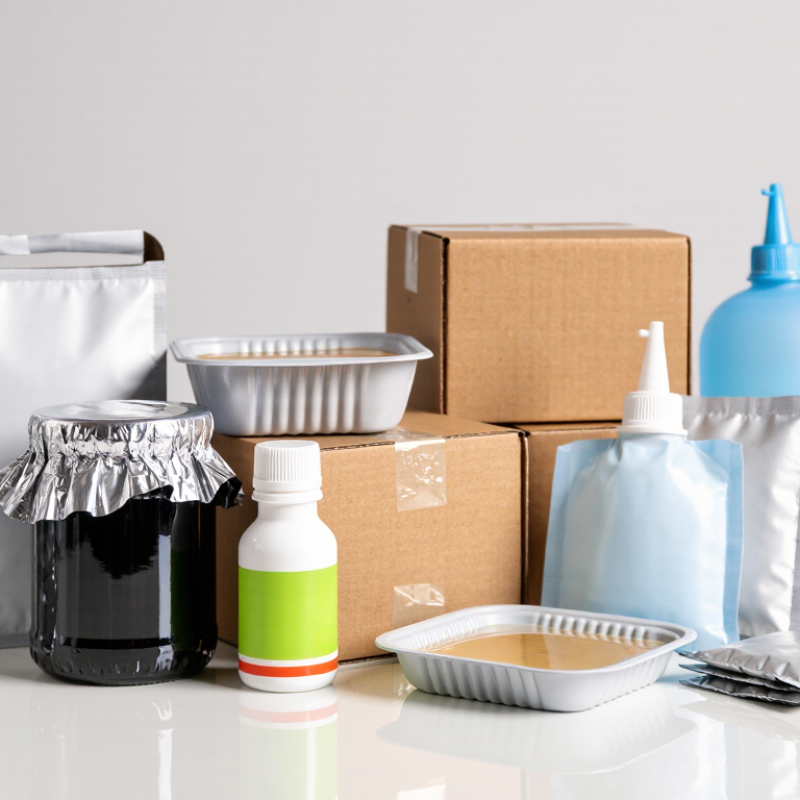
| Seal packaging type | Primary sealing method | Typical material structure | Barrier profile | Common applications | Main advantages | Key limitations | 2026 buyer checks |
|---|---|---|---|---|---|---|---|
| Flexible heat-seal pouch | Heat and pressure activate a sealant layer along the pouch edges. | Plastic film laminate, coated film, or a mono-material polyolefin structure. | From basic moisture protection to high oxygen, aroma, and light barrier when multilayer films are used. | Dry foods, snacks, powders, pet food, personal-care products, and household products. | Low packaging weight, efficient shipping, flexible shapes, and easy integration with form-fill-seal equipment. | Seal quality can be affected by contamination, incorrect temperature, pressure, or dwell time. | Request seal-strength testing, leak testing, migration documentation, and evidence of compatibility with the filling line. |
| Mono-material polyethylene pouch | Heat sealing through polyethylene sealant layers. | Mostly polyethylene layers, sometimes with coatings, inks, or barrier layers designed for the same polymer family. | Good moisture and chemical resistance; oxygen and aroma barrier depends on the grade and added barrier technology. | Frozen food, dry goods, refill packs, detergents, and selected personal-care products. | Designed to support simpler material identification and potential flexible-film recycling where suitable collection exists. | Recyclability is infrastructure-dependent; high-barrier performance may be lower than foil-based laminates. | Verify local recycling acceptance, polymer composition, total ink and coating content, and actual barrier performance after converting. |
| Mono-material polypropylene pouch | Heat sealing through polypropylene sealant layers. | Oriented or cast polypropylene layers, with compatible coatings or additional polypropylene-based layers where required. | Good moisture resistance and useful heat resistance; barrier level varies by coating and film design. | Snacks, dry foods, medical disposables, labels, and selected high-temperature filling applications. | High clarity options, good stiffness, and compatibility with polypropylene recycling streams in some markets. | Collection and recycling systems differ widely; some structures still contain incompatible coatings or additives. | Check seal-window width, puncture resistance, food-contact compliance, and country-specific recycling guidance. |
| Foil-laminate pouch | Heat sealing of a polymer sealant layer over a foil-containing laminate. | Polymer film, aluminum foil, adhesive, and an inner heat-seal layer. | Very strong protection against light, oxygen, moisture, and aroma transmission when correctly converted. | Coffee, sensitive powders, pharmaceuticals, retort products, nutritional products, and long-distance shipments. | Excellent product protection and long shelf-life potential for highly sensitive contents. | Multilayer construction is difficult to separate and is usually less compatible with conventional plastic recycling systems. | Use only when the barrier requirement justifies the structure; confirm foil pinhole testing, laminate adhesion, and end-of-life options. |
| Retort pouch | High-integrity heat seal designed to withstand thermal processing after filling. | Typically a multilayer structure combining a heat-seal layer, structural film, and high-barrier layer. | High barrier and resistance to retort processing when validated for the specific time and temperature cycle. | Ready meals, sauces, seafood, meat products, and shelf-stable foods. | Lower transport weight than rigid cans or jars and suitable for ambient distribution after validated processing. | Requires strict process control; multilayer formats can create recycling challenges. | Require retort validation, seal-integrity testing after processing, burst testing, and food-safety documentation. |
| Spouted stand-up pouch | Heat-sealed pouch seams combined with a heat-sealed or mechanically fitted spout and cap. | Flexible laminate or mono-material film with a polymer spout and closure. | Barrier depends on the pouch film; the closure area requires separate leakage and oxygen-ingress evaluation. | Sauces, baby food, beverages, cleaning products, cosmetics, and liquid concentrates. | Convenient dispensing, resealability, reduced breakage risk, and efficient use of storage space. | More components can complicate recycling; spout and cap performance may limit shelf life. | Test cap torque, opening force, drop resistance, leakage, child-safety requirements where applicable, and recyclability of the complete pack. |
| Induction-sealed container | Electromagnetic induction bonds a liner to the container opening after the cap is applied. | Rigid plastic or glass container, closure, and an induction liner selected for the container material. | Provides an additional moisture, oxygen, and tamper barrier; performance depends on liner and container design. | Pharmaceuticals, nutritional powders, spices, cosmetics, chemicals, and dry foods. | Visible tamper evidence, improved leak resistance, and protection from external contamination. | Requires compatible equipment and precise control of liner placement, container finish, power, and line speed. | Confirm liner compatibility, seal detection, removal behavior, regulatory status, and whether the liner must be separated before recycling. |
| Heat-sealed paper-based pack | Heat sealing through a polymer coating or sealant layer applied to paper. | Paper substrate with a sealable coating, dispersion barrier, or thin polymer layer. | Good printability and moderate moisture or grease resistance; oxygen and water-vapor barrier varies significantly by coating. | Dry foods, bakery products, tea, confectionery, sachets, and secondary packaging. | Renewable fiber content, paper-like appearance, and potential compatibility with paper recycling when accepted by local systems. | Not suitable for every high-moisture or high-barrier application; coatings and additives can affect repulpability. | Request fiber content, coating composition, recyclability test results, grease resistance, seal strength, and food-contact documentation. |
| Tamper-evident band or shrink seal | Heat shrinking or adhesive bonding around a cap, neck, lid, or opening. | Usually a thin polymer film, perforated band, or coated paper-based security element. | Primarily provides tamper evidence; it should not be treated as the sole product barrier unless specifically validated. | Bottled beverages, cosmetics, supplements, pharmaceuticals, and household chemicals. | Simple visual evidence of opening and compatibility with many existing filling lines. | Adds material and processing steps; it may be unnecessary when an integrated tamper-evident closure already exists. | Check perforation quality, removal convenience, security performance, labeling requirements, and compatibility with the container and cap. |