Top Tips for Choosing Flexible Packaging Materials Effectively?
Choosing the right flexible packaging materials is crucial for businesses today. According to a report by Freedonia Group, the demand for flexible packaging in the United States is projected to reach $44 billion by 2025. This growth highlights the importance of selecting materials that meet both cost and environmental standards.
Flexible packaging materials offer versatility, durability, and an array of designs. However, it’s essential to consider factors such as barrier properties, sustainability, and compatibility with product types. A study by Markets and Markets states that eco-friendly flexible packaging is on the rise, driven by consumer demand for sustainable practices. Companies must balance innovation and tradition while being mindful of changing regulations.
Selecting flexible packaging materials is not without challenges. The options can be overwhelming, and businesses may struggle with making the right choice. It’s important to analyze your specific needs and market trends. Continuous improvement and adaptation in packaging strategies are vital. Engaging with suppliers and conducting thorough research will strengthen decision-making.
Understanding the Importance of Flexible Packaging Materials
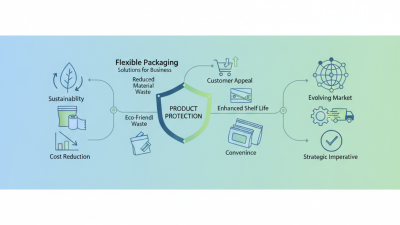
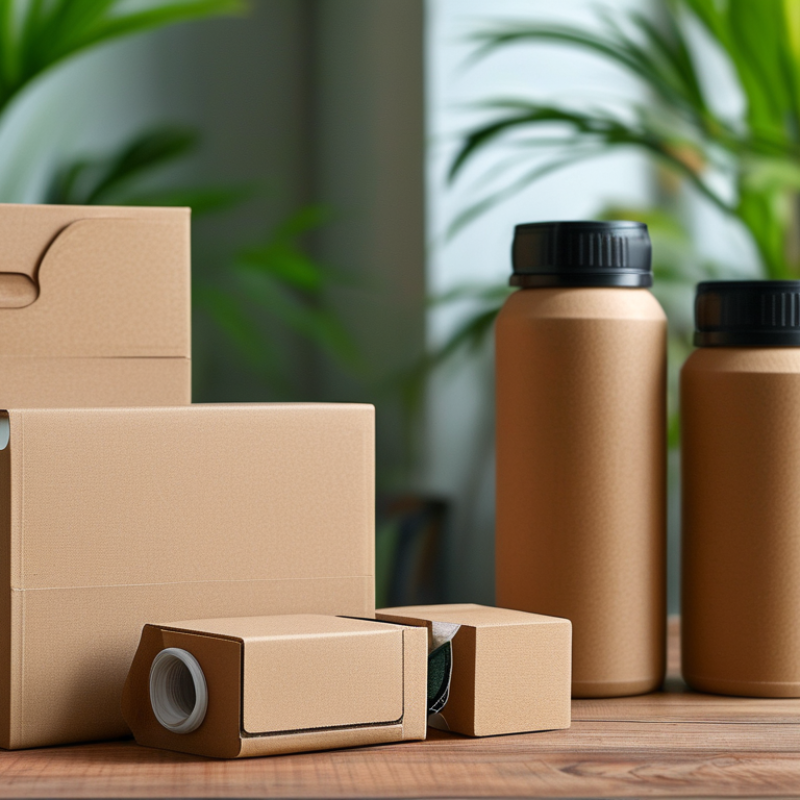
Flexible packaging materials play a crucial role in modern product design and functionality. Their importance lies in providing protection, extending shelf life, and enhancing the visual appeal of products. With a variety of options available, understanding the right materials to use is essential for manufacturers and consumers alike.
When selecting flexible packaging, consider factors like material strength, sustainability, and functionality. Each material brings unique properties. For example, polyethylene is lightweight but might not offer the same barrier protection as aluminum. Manufacturers should prioritize their product's needs while balancing cost and environmental impact. Many producers overlook the long-term implications of their choices, which can affect their brand reputation.
Sustainability is increasingly vital. Consumers are more environmentally conscious than ever. They seek packaging that reflects their values. Flexible materials can often be recycled or made from renewable sources, yet not all options are eco-friendly. The challenge lies in finding the right balance between functionality and environmental responsibility. Careful consideration can lead to smarter choices and greater consumer trust.
Key Factors to Consider in Flexible Packaging Selection
Choosing the right flexible packaging materials requires careful consideration of several key factors. Start with the product itself. Different items have specific needs. For example, food items may require moisture barrier properties, while cosmetics might need UV protection. Understanding your product will guide you in selecting the right materials.
Another important factor is sustainability. Consumers are more conscious of their environmental impact. Eco-friendly materials are in demand. However, balancing sustainability with functionality can be challenging. Research is essential. Explore biodegradable options and their performance in real-world applications. Make informed choices that align with your brand values.
Additionally, consider the cost-effectiveness of your choices. High-quality materials often come at a premium. Sometimes, cheaper options may compromise product integrity. Assess whether the lower cost aligns with your long-term goals. It’s vital to find a balance between quality and budget without sacrificing reliability. Occasionally, testing materials can reveal unexpected results. Make adjustments based on feedback. This iterative process will improve your packaging strategy.
Evaluating Material Properties for Specific Product Needs
When evaluating flexible packaging materials, understanding the specific needs of your product is crucial. Consider attributes such as moisture barrier, seal strength, and puncture resistance. Each of these properties plays an essential role in preserving product quality. A food product may require a high moisture barrier to prevent spoilage, while cosmetic packaging might prioritize UV protection. Assessing these needs can significantly impact product lifespan and customer satisfaction.
Density and thickness of materials also matter. Thicker films may provide better protection but could increase costs and waste. Balancing performance with sustainability is often a reflection of a brand's values. An overly robust package might lead to unnecessary resource use. On the other hand, underestimating your packaging requirements can result in damaged products and unhappy customers.
Testing materials in real-world scenarios is essential. Samples should undergo trials to evaluate how they perform under various conditions. Does the packaging withstand shipping stresses? Does it maintain integrity in different temperatures? Reflecting on these aspects allows for more informed choices and can guide you toward optimal materials for your product.
Sustainability Considerations in Flexible Packaging Choices
Choosing flexible packaging materials requires careful thought, especially regarding sustainability. Selecting eco-friendly materials is not just a trend; it reflects a commitment to environmental responsibility. Look for options that use recycled or biodegradable components. These materials often reduce waste and can minimize a product’s carbon footprint.
Transparency in sourcing is crucial. Knowing the origins of packaging materials helps ensure they are ethically produced. A focus on local sourcing can lead to a smaller environmental impact, as transportation emissions are reduced. It’s essential to balance cost with eco-friendliness. Sometimes, more sustainable options may come at a higher price.
Lastly, consider the end-of-life of packaging materials. Can they be recycled? Are they compostable? Engaging with suppliers about these questions reflects a responsible approach. However, it’s worth noting that not all green claims hold up under scrutiny. Verification is necessary to avoid greenwashing. Adopting sustainable practices in flexible packaging requires ongoing reflection and adjustment.
Top Tips for Choosing Flexible Packaging Materials Effectively
Cost-Effectiveness and Budgeting for Packaging Materials
When considering flexible packaging materials, budgeting is crucial. Cost-effectiveness can significantly impact your overall packaging strategy. Start by analyzing the materials available. Some options may seem less expensive, but hidden costs can arise from their durability and shelf life. Striking the right balance between quality and cost is key.
Think about your target market when selecting packaging. If you cater to a premium clientele, investing in high-quality materials may enhance brand perception. Alternatively, if your audience is price-sensitive, simpler materials may suffice. Always assess the total cost of ownership. Sometimes, a lower upfront cost leads to higher expenses later, such as waste and spoilage.
It’s also essential to revisit your choices regularly. Market dynamics change, and so do consumer preferences. Are you still using the best materials for your budget? Imperfections in the initial analysis can lead to missed opportunities. Periodic reviews can reveal more cost-effective alternatives that still meet your packaging needs. Consider collaborating with suppliers who can provide insights into the latest trends and materials, ensuring you stay competitive.
Top Tips for Choosing Flexible Packaging Materials Effectively - Cost-Effectiveness and Budgeting for Packaging Materials
| Criteria |
Description |
Cost Range (per 1000 units) |
Durability |
Eco-Friendly |
| Polyethylene (PE) |
Commonly used for flexible packaging due to its moisture resistance and lightweight. |
$300 - $600 |
Good |
Recyclable |
| Polypropylene (PP) |
Ideal for products needing high clarity and heat resistance. |
$350 - $700 |
Excellent |
Recyclable |
| Aluminum Foil |
Provides a barrier to light, oxygen, and moisture; often used for food packaging. |
$500 - $900 |
Very Good |
Recyclable |
| Paper-Based Materials |
Used for a variety of products, offering a natural look; usually biodegradable. |
$400 - $800 |
Good |
Biodegradable |
| Biodegradable Plastics |
Emerging alternative for eco-conscious consumers. |
$600 - $1200 |
Variable |
Compostable |