10 Essential Tips for Choosing Sustainable Packaging Solutions?
Choosing sustainable packaging is crucial in today’s eco-conscious market. As consumers demand greener options, businesses must adapt. Understanding what constitutes sustainable packaging can be challenging. It involves many factors, from materials to production processes.
When selecting sustainable packaging, think beyond just the environment. Consider the practicality and cost-effectiveness. Not all "eco-friendly" options are truly sustainable. Many products claim to be green, but they may not deliver on that promise. Always research details before making a choice.
Packaging plays a significant role in a product's appeal and success. However, it should not come at the expense of our planet. Analyze your options carefully. Seek solutions that balance aesthetics and sustainability. This approach reflects a commitment to responsible business practices.
Understanding the Importance of Sustainable Packaging in Modern Industries
Sustainable packaging is becoming vital in modern industries. It goes beyond just being an eco-friendly choice. Companies face increasing pressure to reduce their environmental footprint. Packaging often contributes to waste, especially single-use plastics. As awareness grows, consumers demand more transparency regarding materials used.
Choosing sustainable packaging can be complex. Not all materials labeled as "eco-friendly" are truly sustainable. For example, bioplastics may not break down in natural environments. Companies must research and understand the lifecycle of materials. Some options, such as recycled paper or compostable trays, offer better solutions. However, the supply chain can pose challenges. Sourcing these materials may not always be feasible or affordable.
There's also the issue of functionality. Sustainable packaging must still protect products effectively. A paper box might look great, but if it gets damaged easily, it fails its purpose. Striking a balance between sustainability and practicality is key. Commitment to sustainable choices often involves trial and error. Industries must reflect on their practices and continuously improve.
10 Essential Tips for Choosing Sustainable Packaging Solutions
Evaluating Material Choices: Biodegradable vs. Recyclable Options
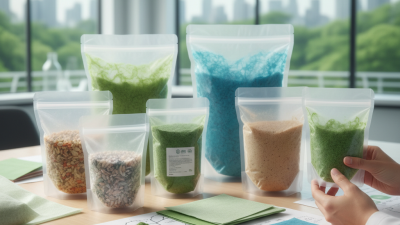
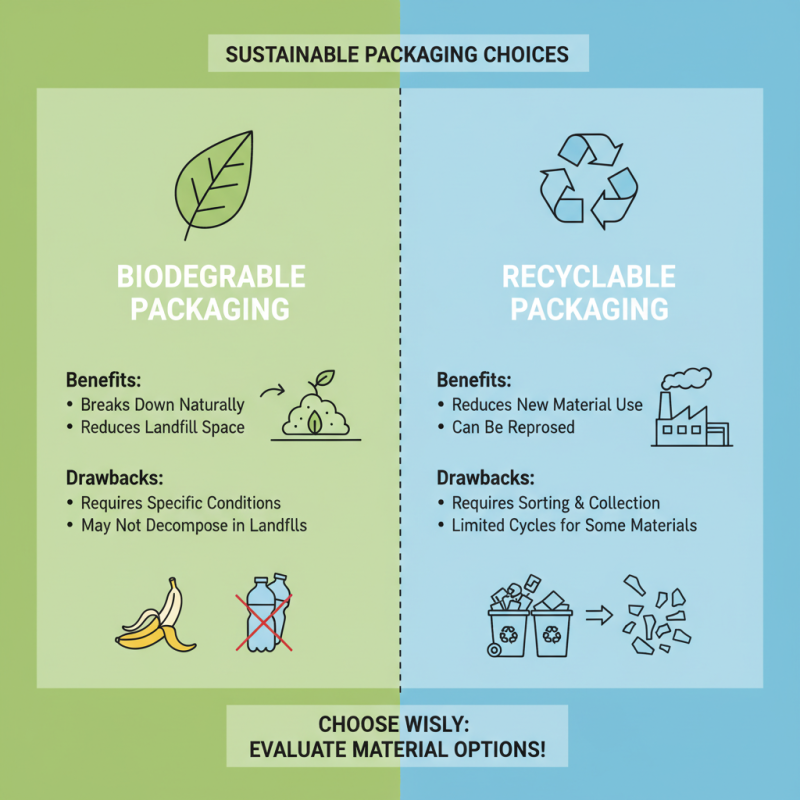
When selecting sustainable packaging, it’s crucial to evaluate material choices. Biodegradable and recyclable options each have unique benefits and drawbacks. Biodegradable materials break down over time. However, they often need specific conditions to decompose fully.
While biodegradable packaging sounds appealing, it can sometimes confuse consumers. A product might not break down in a landfill, which is a significant concern. Many biodegradable items still end up in the wrong place. That leads to more waste in our environment. It’s essential to understand local disposal methods before choosing these materials.
Recyclable packaging, on the other hand, can be reused multiple times. This can reduce the overall demand for new materials. However, not all recyclable packaging is accepted everywhere. Often, the recycling process itself can be complex and inefficient. Many consumers lack the knowledge to recycle correctly. This leads to contamination in recycling streams, which is a waste of resources.
When considering sustainable packaging, it’s vital to weigh the longevity of the materials against their environmental impact. Educating yourself and others is key. Look for clear labeling. Consider local recycling options. Making informed choices is a step toward a more sustainable future.
Assessing Life Cycle Analysis for Environmental Impact of Packaging
When choosing sustainable packaging, it’s essential to conduct a comprehensive life cycle analysis (LCA). This process examines the environmental effects from the material extraction to disposal. If done properly, LCA can guide businesses in selecting packaging that minimizes their carbon footprint. Look for options that use fewer resources and produce less waste.
Consider materials like recycled paper or biodegradable plastics. They often have a lower environmental impact. However, not all biodegradable options break down efficiently. Ensure they align with local waste management practices. Test the end-of-life scenarios for your packaging. This will help you understand its impact.
Choosing sustainable packaging is not straightforward. Many businesses still rely on traditional materials due to cost. But investing in sustainability can attract eco-conscious consumers. Regularly assess your packaging solutions. Adjust as needed to reduce environmental harm. Aim for transparency in your packaging choices. It can be difficult, but the benefits for the planet are worth the effort.
Consumer Insights: The Market Demand for Eco-Friendly Packaging Solutions
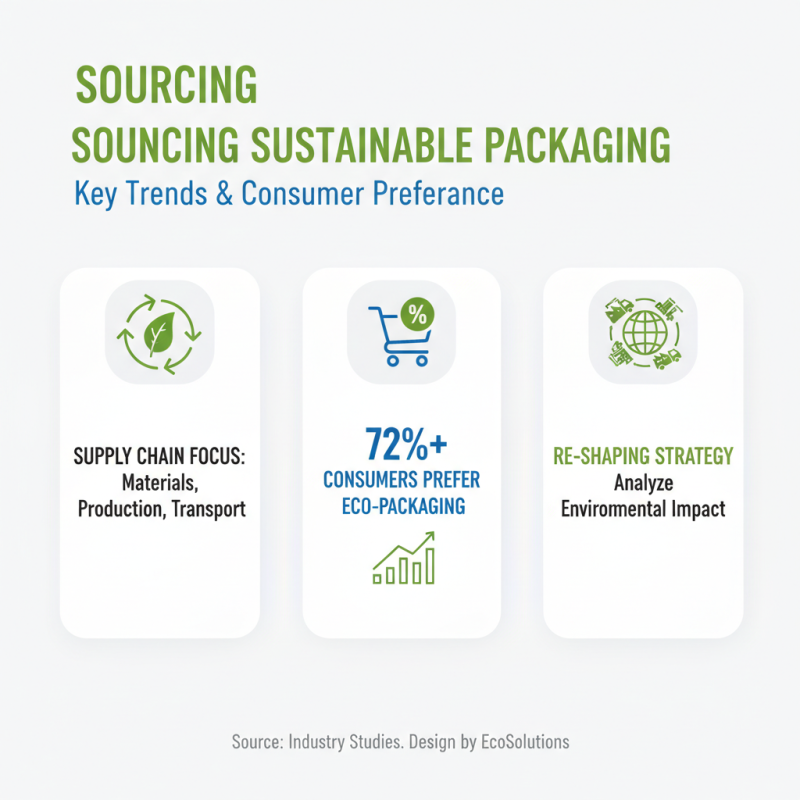
The demand for eco-friendly packaging has surged in recent years. Consumers are more aware of environmental issues than ever before. They seek products that align with their values. Sustainable packaging resonates deeply with their commitment to reducing waste. Many shoppers actively avoid plastic packaging. They prefer options that are biodegradable or recyclable. This shift is not just a trend; it’s a movement towards sustainability.
In surveys, consumers express a strong preference for brands that prioritize green solutions. They are willing to pay more for products with eco-conscious packaging. However, many brands struggle to meet this growing demand. The available options can be confusing and often lack transparency. Some companies greenwash their efforts, promoting minor changes as major improvements. This can lead to consumer disappointment. Honest communication is crucial in the quest for authenticity, but not all brands grasp this.
Consumers also value functionality alongside sustainability. Packaging must protect products effectively while minimizing environmental impact. Striking the right balance is challenging. Sometimes, overly innovative solutions can fall short in practicality. The journey toward truly sustainable packaging is ongoing. Each decision made in development affects consumers and the planet. Brands must continue to evolve, listen, and adapt to meet these rising expectations.