How Can Packaging Help Protect Your Products?

A product can leave the factory in perfect condition and still arrive damaged. A crushed corner, a broken seal, or a damp carton can turn a routine delivery into a costly problem. Packaging helps prevent these failures by cushioning impact, limiting exposure to moisture, and keeping products stable during storage and transport. The right solution depends on the item, its route, and how it will be handled.

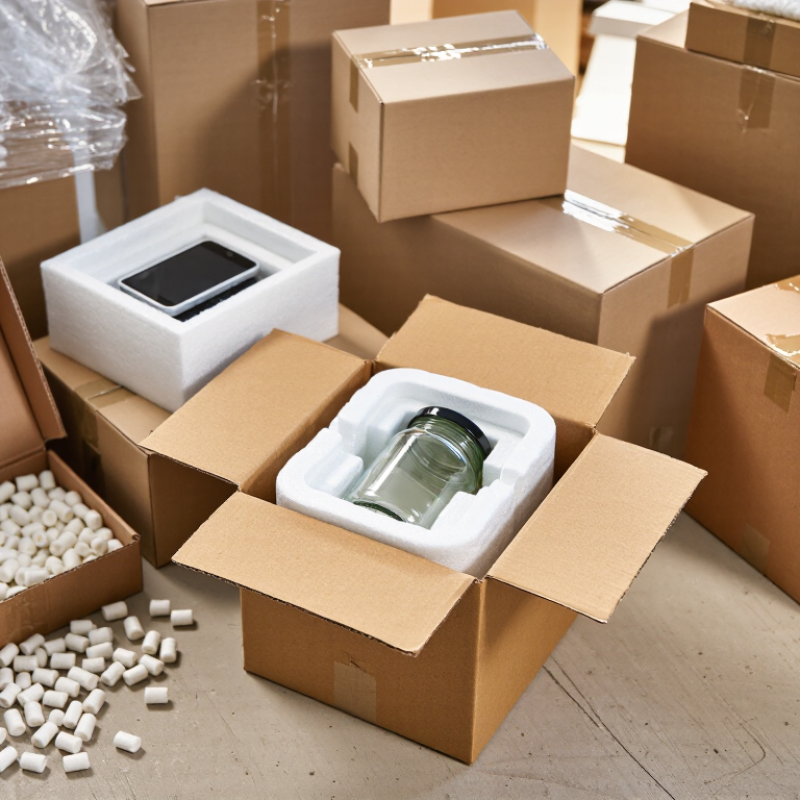
Packaging educator Walter Soroka’s work reflects a useful principle: “Packaging is the science, art, and technology of enclosing or protecting products.” Protection is practical, not decorative. A glass jar may need a snug insert that stops it shifting. A device with sensitive parts may need shock-absorbing material and a secure outer box. Even small details matter. Loose fill can settle. A poorly fitted lid can leak.

This guide explores how help packaging can reduce damage through thoughtful materials, structural design, and clear handling information. It also considers the balance between protection, cost, and waste. Stronger packaging is not always better; unnecessary layers can add expense without improving safety. That trade-off deserves a closer look. There is no single package that suits every product or delivery route. Testing real conditions—drops, vibration, stacking, and temperature changes—can reveal weak points before customers find them. A package is not perfect just because it looks sturdy.
How Can Packaging Help Protect Your Products?

What Product Risks Should Packaging Protect Against?

Packaging needs to guard against the risks a product will actually meet, not every imaginable hazard. A ceramic mug may face drops at its corners, while dry ingredients may be more vulnerable to moisture and punctures. Map the route: warehouse stacking, vehicle vibration, handoffs, and doorstep delivery. Small details matter. A loose item can strike the same box wall repeatedly during transit.

Impact and compression can crack, dent, or deform products, even when the outer carton looks intact. Moisture may soften paper-based materials or damage labels. Heat and cold can affect products with sensitive ingredients or components, so packaging should suit the expected storage conditions. It cannot replace temperature control. Dust, leaks, and contact with other goods are also worth considering, especially when closures are weak or inner protection shifts.

The right protection depends on the product, its weight, fragility, and journey. A snug insert may limit movement, but an overly tight fit can create pressure points. That assumption can fail. Check packaging through drop, vibration, and stacking tests that reflect real handling, then inspect both the contents and the package. Tests are useful, but they may not capture every rough handoff or unusual route.

How Do Packaging Materials Reduce Damage?

Packaging materials reduce damage by controlling movement, absorbing impact, and keeping moisture or dust away from a product. A corrugated carton spreads pressure across its panels, while molded-pulp or foam inserts help soften sudden jolts. The right choice depends on the item: a glass jar needs support around its sides, while a small electronic component may need an antistatic inner layer. Fit matters. A box that is too large lets contents move before striking a wall; one that is too tight can press fragile edges. During packing trials, inspect the corners and seams after drops, not just the product itself. Check the fit.

Layered protection can address several risks at once. A sealed liner may slow moisture exposure, while an insert can prevent rubbing during transit. For heavier goods, partitions help keep shifting weight away from weaker components. Yet thicker packaging is not automatically safer. Poorly placed cushioning leaves gaps, and an overfilled carton may split at its seams. Test realistic conditions, including vibration and stacking; a short bench test can miss repeated handling. Review damaged returns by location: a crushed corner may call for a different fix than abrasion inside the package. It is tempting to trust a tidy design, but appearance alone is weak evidence.

How Can Packaging Help Protect Your Products? — How Do Packaging Materials Reduce Damage?

Packaging material How it helps reduce damage Damage it is best suited to address Important limitation Common applications
Corrugated fiberboard Its fluted inner layer helps absorb impacts, while the box panels provide containment and resistance to stacking loads. Moderate impacts, abrasion, and compression during storage or shipping. Can lose strength when exposed to moisture; protection depends on board grade, box design, and load. Shipping cartons, retail packaging, and outer cases.
Expanded polyethylene (EPE) foam Compresses under impact and helps cushion products; shaped inserts can limit movement inside a package. Shock, vibration, and surface scuffing. Must be selected and sized for the product’s weight and fragility; it is not a substitute for a strong outer container. Electronics, equipment, and items needing fitted cushioning.
Bubble cushioning Air-filled pockets provide a cushioning layer between the product and nearby surfaces. Light impacts and scratches on relatively lightweight items. Bubbles can puncture or compress, so it offers limited support for heavy items or sustained stacking loads. Small household goods, accessories, and surface-sensitive products.
Molded pulp inserts Formed cavities hold products in position and distribute some impact forces across the insert. Movement, surface contact, and moderate shocks when the insert is designed for the item. May be affected by moisture, and a poorly matched shape may not hold the product securely. Bottles, appliances, and products with a consistent shape.
Paper cushioning and void fill Crumpled or formed paper fills empty space, helping prevent items from shifting inside the box. In-transit movement and light contact between products. Can settle or compress; alone, it may not provide enough cushioning for heavy or highly fragile products. Void filling and separating lightweight items.
Stretch film Holds grouped cartons or pallet loads together, reducing shifting during handling and transport. Load instability and movement between packages. Provides little cushioning against impacts and does not replace protective cartons or inserts. Unitized pallet loads and bundled shipments.
Desiccant in a sealed package Absorbs moisture within the package environment, helping control humidity when used with an appropriate moisture barrier. Moisture-related corrosion, mold risk, or product quality changes, depending on the product and package design. Does not protect against physical impacts; effectiveness depends on seal integrity, desiccant quantity, and exposure conditions. Moisture-sensitive components, tools, and goods in sealed packs.

Effective protection usually combines a suitable outer container, cushioning that limits movement, and packaging matched to the product’s weight, fragility, and shipping conditions.

How Does Packaging Design Keep Products Secure?

Secure packaging starts with the product’s weakest point, not the box’s appearance. A glass jar needs space from neighboring items, while a metal part may need protection from moisture and abrasion. Use a snug inner fit, then add cushioning where impacts are most likely. Small gaps matter. Too much empty space lets products gain momentum during handling; excessive padding can also shift or compress.

The FAO’s 2023 report estimated that 13.2% of food was lost between harvest and retail in 2021. Packaging cannot prevent every loss, but sound cushioning and closures can reduce damage during transport. For parcel shipments, the International Safe Transit Association’s 3A procedure evaluates packages through hazards such as drops, vibration, and compression. Use test results to adjust board strength, inserts, and seals. A box that survives one drop may still fail after repeated vibration. Fit matters. Test the packed product, not just an empty carton, and inspect corners, seams, and closures after testing. The weak point is often an overlooked flap or a few millimeters of movement. Even careful designs need revision when real shipping conditions expose a flaw.

Which Protective Features Guard Against Environmental Exposure?

Heat, moisture, light, and oxygen can damage products before a carton shows visible wear. The World Meteorological Organization’s State of the Global Climate 2024 report estimated that global mean temperature reached 1.55 ± 0.13°C above the 1850–1900 average. This does not predict a parcel’s temperature, but it highlights why packaging should be tested for real storage and transit conditions. Insulating liners can slow temperature changes, while opaque layers help limit light exposure.

Match each barrier to a specific risk. Moisture-sensitive goods may need sealed pouches, desiccants, or water-vapor barrier films; vulnerable surfaces may need UV-blocking materials. ASTM D4332 describes conditioning packaging components before testing, helping teams assess performance under controlled temperature and humidity. Test the complete package, including seams and closures. A strong film cannot compensate for a weak seal. Foil laminates may provide effective barriers, but can complicate material recovery. No barrier is perfect; choosing one without testing is an easy mistake.

Tips: Add a temperature-and-humidity logger to a trial shipment. After exposure, inspect corners, seals, and the product itself. A small leak can defeat an expensive barrier.

How Can Packaging Protection Be Tested and Improved?

Testing packaging protection works best when conditions resemble the product’s real journey. Record the item’s weight, dimensions, fragile areas, and typical shipping route. Then choose tests that match likely risks. A small glass container may need impact and vibration checks, while a heavy box may need compression testing.

A drop test can reveal whether a corner, edge, or flat side fails first. Vibration testing may expose loose components or rubbing that damages a finish. Compression tests help assess whether stacked cartons will crush the contents. For products sensitive to moisture or temperature, controlled humidity or temperature exposure can uncover weak seals or material changes. Watch the product, not just the box. A clean-looking carton can hide internal damage.

Use clear pass-or-fail criteria, such as no cracks, leaks, or movement beyond an acceptable range. Test several samples, since one successful trial proves little. After a failure, change one feature at a time: cushioning thickness, internal fit, board strength, or closure method. Retest the revised pack under the same conditions. Real handling is messy, and laboratory tests cannot reproduce every route. Keep that limitation visible in test records, and review results when shipping patterns or product designs change.