What is a Packaging Line and How Does It Work?
In the fast-paced world of manufacturing, the concept of a "packaging line" holds great significance. According to Dr. Mark Thompson, a noted expert in packaging technology, "A well-designed packaging line can dramatically increase efficiency." This statement underlines the importance of understanding how packaging lines operate and their impact on production processes.
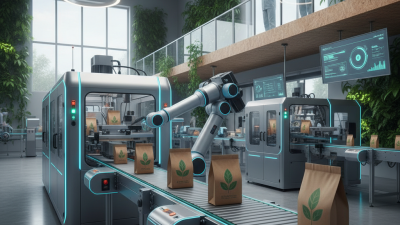
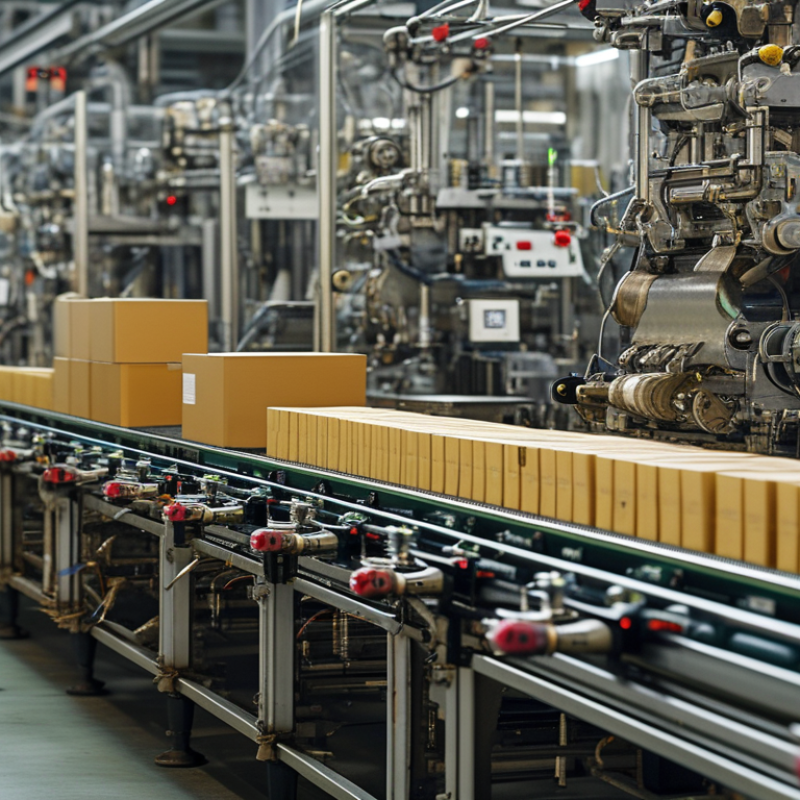
A packaging line integrates various machines and equipment to handle products from production to packaging. Each component plays a unique role, ensuring products are correctly filled, sealed, and labeled. The coordination between these elements is crucial for maintaining quality and speed. Businesses often overlook how minor delays in the packaging line can lead to significant losses.
Despite their advantages, designing an efficient packaging line can be challenging. Factors like product variety and changing market demands can complicate operations. Therefore, continuous assessment and improvement of packaging lines are essential. Learning from inefficiencies can lead to better systems and practices, ultimately enhancing productivity. Understanding the complexities of a packaging line is critical for today’s manufacturers.
What is a Packaging Line?
A packaging line is a vital part of many manufacturing processes. It automates the final stages of production, enhancing efficiency and ensuring product integrity. According to a report by the Packaging Machinery Manufacturers Institute (PMMI), over 80% of companies experience growth after implementing automated packaging systems.
A typical packaging line consists of several interconnected machines. These machines handle tasks such as filling, sealing, and labeling products. For instance, filling machines ensure precise quantities, vital for consumer trust. Sealing machines protect products from contamination, while labeling machines provide necessary information. Reports indicate that the global packaging machinery market is expected to reach $45 billion by 2026, highlighting the industry's significant impact.
However, inefficiencies can occur in packaging lines. Machine breakdowns or human errors can disrupt the flow. Moreover, certain settings might require frequent adjustments to accommodate different products, leading to downtime. Investing in employee training and regular maintenance can mitigate these issues, but challenges will always exist in optimizing performance. As technology evolves, these lines will continue to improve, yet the human element remains crucial in achieving excellence.
Key Components of a Packaging Line
A packaging line is a critical system in manufacturing that prepares products for distribution. Its efficiency largely depends on the components that make it up. Understanding these key parts can greatly improve overall productivity and reduce costs.
One of the main components is the conveyor system. It transports products seamlessly through various stages of packaging. Properly adjusted conveyor speeds can minimize delays. However, if not aligned well, this can cause jams and slow down production.
Inspection stations are also essential. They check quality and ensure compliance with regulations. Any mistakes can lead to costly recalls, emphasizing the need for reliable inspection methods.
Filling machines play a crucial role by accurately dispensing the right amount of product into containers. Calibration is vital; a miscalibrated machine can lead to overfilling or underfilling.
Labeling machines apply necessary information on products, including barcodes and expiry dates. If labels are misaligned, it can confuse customers and impact sales. By optimizing each component of the packaging line, manufacturers can enhance efficiency, but vigilance is needed to address potential issues that arise.
The Stages of a Packaging Line Process
A packaging line is an essential part of manufacturing, where products are packed for distribution. The stages of a packaging line process are crucial for efficiency and quality control. Typically, this process includes filling, sealing, labeling, and packaging. Each stage requires precise machinery to ensure consistency. According to industry reports, , while reducing human error significantly.
During the filling stage, products are dispensed into containers with precision. In the sealing stage, mechanisms ensure airtight closures, often using heat or pressure. Labeling is a critical stage, as accurate identification impacts branding and compliance. Industry experts emphasize that an efficient labeling process improves consumer trust and reduces returns.
Tips: Regular maintenance of machines in your packaging line is vital. A broken machine can halt the entire process. Employees must receive training on equipment use. Proper training leads to fewer mistakes and a safer work environment. Reflect on how each stage interacts; inefficiencies in one can lead to delays in another. Understanding these nuances can elevate your production quality.
Common Technologies Used in Packaging Lines
Packaging lines play a crucial role in modern manufacturing. These systems streamline processes to ensure products are efficiently packaged for distribution. Various technologies integrate to form a complete packaging line.
Common technologies in packaging lines include conveyors, filling machines, labeling systems, and case packing solutions.
Conveyors enable smooth product transport, reducing delays. Filling machines can handle diverse products, from liquids to solids, and optimize accuracy. Recent reports indicate that automated filling technologies improve throughput by up to 30%. Labeling systems ensure compliance with industry standards, providing crucial information to consumers.
Tips for maximizing your packaging line: Regularly conduct maintenance checks. This can prevent costly downtimes. Training staff on each technology increases efficiency and reduces errors. Not all lines are perfect; some may struggle with product variations. Identifying these issues is essential for overall improvement. Constant evaluation leads to better alignment with market demands.
Benefits of Optimizing Packaging Lines
Optimizing packaging lines can significantly enhance efficiency and reduce costs. A well-structured packaging line minimizes errors and waste, leading to higher productivity. When lines are optimized, products move smoothly and swiftly. This creates a more reliable workflow. Workers feel less stressed and more focused on quality.
Efficiency is crucial. Here are some tips for enhancing your packaging line: regular maintenance prevents breakdowns. Periodic assessments of workflow can identify bottlenecks. Investing in automation can improve speed and accuracy. Assess employee training often to ensure everyone is up to date with protocols.
Engaging employees in optimization discussions often leads to innovative ideas. They experience the daily challenges firsthand. Miscommunications or delays might occur, reminding us to refine processes continually. Regular feedback can uncover hidden inefficiencies. This practice builds a culture of continuous improvement, fostering a proactive approach to challenges.
Packaging Line Efficiency Comparison