Top Tips for Sustainable Flexible Packaging Solutions?
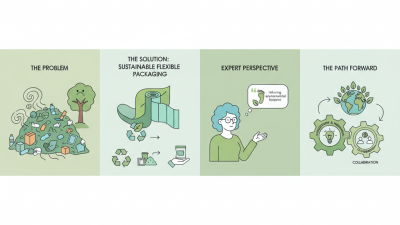
In recent years, the conversation around sustainable flexible packaging has gained significant traction. As consumers become more environmentally conscious, brands are compelled to consider their packaging choices carefully. The shift to sustainable flexible packaging is not just a trend; it reflects a commitment to reducing environmental impact.
Implementing sustainable flexible packaging solutions poses challenges. Companies might struggle with cost and supply chain adjustments. However, the benefits often outweigh these hurdles. Sustainable packaging can enhance brand reputation and meet consumer expectations. The importance of innovation in materials and design cannot be overstated. Brands need to explore alternatives that minimize waste and promote recyclability.
As we navigate this complex landscape, we must acknowledge that not all solutions are perfect. Some sustainable options may not perform as well as traditional materials. Continuous improvement and collaboration across industries are essential. Embracing these challenges can lead to more environmentally friendly practices and products. The journey towards effective sustainable flexible packaging is ongoing, but the commitment to sustainability is a step in the right direction.

Understanding Sustainable Flexible Packaging Options
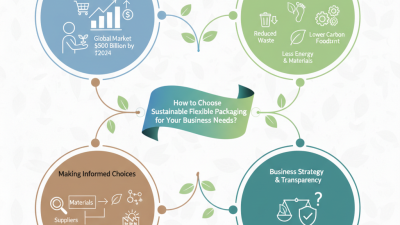
Sustainable flexible packaging is gaining traction in the industry for its environmental benefits. According to a report by Smithers Pira, the global market for sustainable packaging is projected to reach $600 billion by 2024. With growing concerns about plastic waste, businesses are turning to eco-friendly options that meet consumer demand.
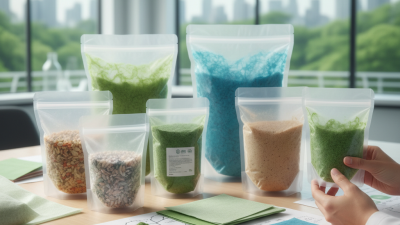
It's essential to explore various sustainable materials. Bioplastics, made from renewable sources, are one example. They can reduce dependency on fossil fuels and lower carbon footprints. In addition, compostable films are emerging as viable alternatives. These materials can break down naturally, alleviating landfill concerns.
Tip: Engage suppliers who prioritize sustainability. This helps create a reliable supply chain that aligns with eco-friendly goals. Consider recyclable laminates that provide similar performance benefits without harming the environment.
Also, evaluate product designs carefully. Effective design can reduce material usage while maintaining product integrity. However, companies should remain aware of the potential trade-offs in costs and performance. Sustainable flexible packaging is not one-size-fits-all, and it's vital to continuously reassess choices made in this evolving landscape.
Key Materials for Eco-Friendly Flexible Packaging
In the realm of sustainable flexible packaging, key materials play a vital role. Many industry reports highlight that around 70% of consumers prefer eco-friendly options. This trend drives manufacturers to seek sustainable alternatives. Among these alternatives, bioplastics are gaining traction. Made from renewable resources, they help reduce dependence on fossil fuels. Packaging solutions using bioplastics can decrease carbon footprints significantly.
Recycled materials are another important focus. Studies suggest that using recycled content in flexible packaging can reduce energy consumption by up to 40%. This shift is necessary considering the increasing waste crisis. However, challenges remain. The recycling process can be complex, and not all materials are recyclable. This inconsistency can deter companies from fully committing to recycled content.
Also, innovative materials like compostable films are emerging. These films can break down naturally, minimizing landfill impact. Nonetheless, the market faces hurdles. Consumer awareness and proper waste management systems need improvement. The path to truly sustainable flexible packaging requires ongoing reflection and effort.
Top Tips for Sustainable Flexible Packaging Solutions
Design Strategies for Reducing Waste in Packaging
Sustainable flexible packaging starts with smart design strategies. Research shows that nearly 30% of packaging waste comes from poor design choices. Companies are increasingly aware that minimizing waste begins at the design stage. Choosing materials wisely can reduce environmental impact significantly. For example, switching to biodegradable films can cut plastic waste by a large margin.
Incorporating reusable elements within packaging is another effective strategy. A report by the Ellen MacArthur Foundation suggests that a circular economy in packaging can save $300 billion annually. This emphasizes the importance of designing packages that are easily reusable or recyclable. Focusing on smaller, more efficient packaging also helps in reducing excess material usage.
However, challenges still exist in design practices. Not all materials are easy to recycle, and consumer habits often lead to contamination. According to a survey, 70% of consumers are unsure about recycling symbols. This confusion can undermine packaging’s potential for sustainability. Designers must address these flaws to create solutions that resonate with consumers while being eco-friendly.
Innovative Technologies Enhancing Sustainable Packaging
Innovative technologies are transforming sustainable packaging solutions. These advancements aim to reduce environmental impact while maintaining functionality. Biodegradable materials are gaining attention. They decompose naturally, minimizing waste that ends up in landfills. Some innovative coatings enhance barrier properties without using harmful plastics.
Smart packaging is another exciting trend. It incorporates sensors to monitor freshness and reduce spoilage. This not only cuts waste but also ensures product quality. Yet, challenges remain. These technologies can be costly and not widely adopted.
The move toward recyclability is crucial. Advanced recycling processes can reclaim materials from used packaging. These processes are not yet perfect and require further research. However, they show promise for a circular economy. The packaging industry must balance innovation with environmental responsibility. Finding effective solutions takes time and collaboration.
Best Practices for Recycling and Reusing Flexible Packaging
Flexible packaging is prevalent in today’s market, yet its recyclability presents challenges. Understanding how to recycle and reuse these materials is essential for reducing waste. Many types of flexible packaging, such as plastic bags and wraps, often end up in landfills. This is because consumers are often unsure about the proper disposal methods.
One effective strategy is to check local recycling guidelines. Different municipalities treat flexible packaging differently. Some allow them in recycling bins, while others do not. For those that don’t, consider returning flexible materials to retail collection points. These programs often ensure they are processed correctly. Additionally, repurposing materials at home can extend their life. Bags can become storage solutions, and wrappers can serve creative project materials.
Education is key. Many consumers lack information on flexible packaging options. Awareness campaigns can bridge this knowledge gap, empowering individuals to make better choices. Yet, awareness alone isn't enough. Continuous innovation in recycling technology is crucial for improving the viability of flexible packaging solutions. Challenges remain, and addressing them requires collaboration from consumers, businesses, and policymakers.
Top Tips for Sustainable Flexible Packaging Solutions
| Tip |
Description |
Best Practice |
| Choose recyclable materials |
Opt for materials that can be easily recycled through local programs. |
Check local recycling guidelines before selecting materials. |
| Minimize packaging |
Reduce the amount of packaging used by designing efficient solutions. |
Consolidate products or use innovative designs. |
| Compostable options |
Consider using compostable materials that break down in organic waste. |
Ensure that consumers have access to composting facilities. |
| Design for disassembly |
Create packaging that can be easily taken apart for recycling. |
Use simple seals and interlocking features. |
| Educate consumers |
Provide clear instructions on how to recycle or reuse packaging. |
Include recycling symbols and instructions on the packaging itself. |
| Collaborate with suppliers |
Work with suppliers to find sustainable packaging options. |
Engage in discussions about eco-friendly practices. |