

Global packaging buyers are reassessing speed, flexibility, hygiene, and total ownership cost. The flow pack machine now serves bakery, confectionery, fresh produce, medical supplies, and household products. It creates a sealed film envelope around products, often at impressive speed. However, speed alone does not prove value.
Smithers’ industry forecasts place the global flexible packaging market on a strong growth path through 2028. Its research highlights recyclable structures, material reduction, and advanced sealing as major development priorities. PMMI’s packaging machinery reports also identify labor shortages, automation, and faster changeovers as important investment drivers. These pressures explain why machine selection has become more technical. A low purchase price may hide costly film waste, difficult cleaning, or extended downtime.
This guide examines ten flow pack machine types for international buyers. It compares horizontal and vertical formats, intermittent and continuous motion systems, servo-controlled designs, and specialized configurations. Each type has practical strengths. Each also has limits. Some machines handle fragile biscuits gently, while others wrap dense bars at high output. Some accept multiple film structures, but only after careful sealing trials. That detail matters.
A ranking can never fit every factory. Product shape, film behavior, line integration, operator skill, and regional service support change the result. Buyers should request production trials, inspect seal integrity, and calculate lifecycle costs before choosing equipment. The most reliable decision combines published specifications with evidence from real packaging conditions. Mistakes still happen, especially when brochures replace testing.
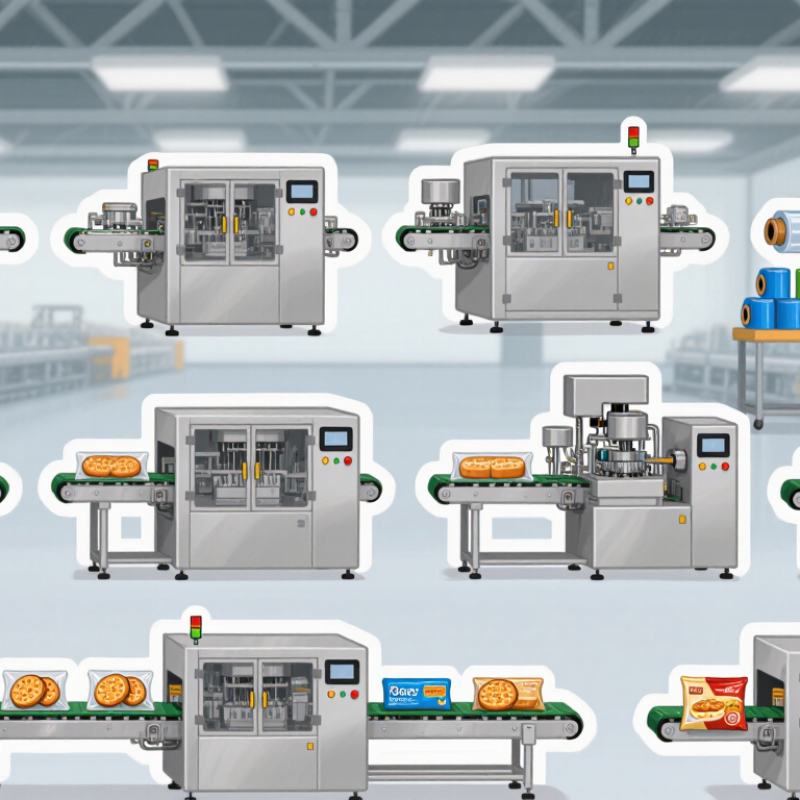
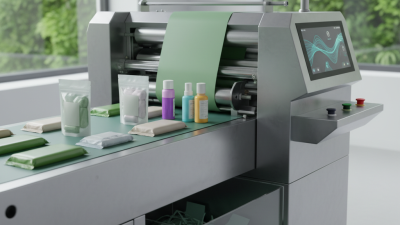
A flow pack machine is an automated horizontal packaging system. It wraps individual products in a continuous film tube. The machine forms, seals, and cuts each pack at controlled speeds. Common applications include bakery items, hardware, household goods, and prepared foods.
The process begins at the infeed conveyor. Products arrive with a measured gap between them. A forming collar folds flat film around each item. Longitudinal sealing creates the back fin. Heated sealing jaws close both ends and cut separate packs. Sensors check product position before sealing. If spacing changes, the machine may produce weak seals or empty packs.
Modern systems can use printed film, modified-atmosphere gas, or easy-open materials. Film temperature, jaw pressure, conveyor speed, and product dimensions must match carefully. A small setting error can cause wrinkles, leaks, or damaged products. Operators should inspect seal strength and alignment during production, not only afterward. No machine is truly plug-and-play. In real plants, dust, humidity, and uneven products often create unexpected problems. A careful trial with the actual product remains more reliable than a specification sheet. Some buyers focus on maximum speed, but stable performance and quick cleaning may matter more. The best flow pack machine type depends on product shape, film behavior, output targets, and required protection.
| No. | Flow Pack Machine Type | How It Works | Typical Products | Common Film and Sealing Method | Typical Output Range | Best Strength | Important Buying Considerations |
|---|---|---|---|---|---|---|---|
| 1 | Intermittent-Motion HFFS Machine | The film advances, stops, and is sealed and cut during each cycle. Product feeding and sealing occur in controlled intervals. | Biscuits, bakery items, soap bars, hardware, medical disposables, and household products. | Polypropylene, polyethylene-based laminates, paper laminates, and other heat-sealable films; commonly uses heated fin and end seals. | Approximately 30–120 packs per minute, depending on product size and feeding method. | Accurate sealing and flexible pack-size changeover. | Check sealing-jaw temperature control, product registration accuracy, changeover time, and compatibility with delicate products. |
| 2 | Continuous-Motion HFFS Machine | The film and product move continuously while longitudinal and transverse seals are formed without stopping the main film flow. | Snack foods, confectionery, bakery products, frozen foods, and high-volume consumer goods. | Heat-sealable plastic laminates and recyclable mono-material films; continuous fin sealing and rotary end sealing are common. | Approximately 80–300 packs per minute, depending on the number of lanes and pack dimensions. | High throughput with smooth product movement. | Evaluate film tolerance, servo synchronization, infeed stability, sealing-jaw design, and the required floor space. |
| 3 | Box-Motion Flow Wrapper | A box-shaped sealing jaw travels with the package during the sealing stroke, allowing longer dwell time and controlled pressure. | Chocolate bars, energy bars, bakery products, frozen foods, and products requiring strong end seals. | Heat-sealable polypropylene, laminates, and recyclable barrier films; fin seal plus box-motion end seals. | Approximately 40–180 packs per minute. | Strong, neat end seals and gentle handling of irregular products. | Confirm the maximum product height, jaw travel, sealing dwell time, film thickness range, and cleaning access. |
| 4 | Rotary-Jaw Flow Wrapper | Rotating sealing jaws create the transverse seal while the film moves through the machine at a constant speed. | Biscuits, crackers, snack bars, candy, stationery, and small non-food articles. | Heat-sealable plastic films and laminates; rotary fin sealing and rotary crimped end seals. | Approximately 60–250 packs per minute. | Compact construction and high-speed operation. | Check maximum product height, sealing pressure, jaw profile, film tracking, and the risk of product contact at high speed. |
| 5 | Long-Dwell Heat-Seal Flow Wrapper | Extended contact between the sealing tools and the film provides additional heat-transfer and sealing time. | Products using thicker films, cold or moisture-sensitive items, and packs requiring high seal integrity. | Thicker heat-sealable laminates, polyethylene structures, polypropylene structures, and barrier films. | Approximately 20–100 packs per minute. | Reliable seals on demanding materials and difficult environmental conditions. | Review sealing temperature, dwell time, cooling requirements, film sealant layer, and seal contamination tolerance. |
| 6 | Servo-Driven Flow Pack Machine | Independent servo motors electronically synchronize the infeed, film pull, registration, cutting, and sealing movements. | Mixed-size products, premium foods, medical products, and applications requiring precise pack positioning. | Heat-sealable films, printed registered films, recyclable films, and laminated barrier structures. | Approximately 40–250 packs per minute, based on configuration and product length. | Fast changeover and precise control of pack length and registration. | Assess control-system usability, recipe storage, encoder accuracy, diagnostics, and operator training requirements. |
| 7 | Multi-Lane Flow Pack Machine | Several product lanes are combined into one or more film webs, increasing the number of packs produced in each machine cycle. | Small bakery items, confectionery, sachets, medical articles, and compact consumer products. | Heat-sealable plastic films, paper-based laminates, and barrier films selected for the product. | Approximately 100–600 total packs per minute, depending on lane count and pack size. | High production capacity within a relatively compact footprint. | Check lane balancing, product spacing, film-web width, changeover complexity, reject handling, and spare-part availability. |
| 8 | Gas-Flushing Flow Pack Machine | Before the final seal is formed, air inside the package is displaced with a controlled gas mixture to help reduce oxidation. | Fresh bakery products, snacks, cheese portions, meat products, and other oxidation-sensitive foods. | Gas-barrier heat-sealable films, including multilayer laminates and selected recyclable barrier structures. | Approximately 20–150 packs per minute, depending on package volume and flushing efficiency. | Extended product quality when the film, gas mixture, and process are properly matched. | Verify residual-oxygen targets, gas consumption, leak testing, film barrier properties, sealing cleanliness, and food-safety requirements. |
| 9 | Vacuum Flow Pack Machine | Air is removed from the pack before or during sealing, creating a reduced-oxygen package with a close-fitting film appearance. | Selected meat, fish, cheese, medical products, and products where reduced air volume is beneficial. | High-barrier heat-sealable films designed for vacuum packaging; sealing and film strength are critical. | Approximately 10–80 packs per minute, depending on vacuum level, product shape, and pack size. | Reduced air volume and improved product protection for suitable applications. | Consider product deformation, leak resistance, vacuum-system capacity, film puncture resistance, and applicable hygiene regulations. |
| 10 | Modified-Atmosphere Flow Pack Machine | The package atmosphere is replaced with a specified gas mixture, such as carbon dioxide and nitrogen, before sealing. | Fresh produce, bakery items, meat, poultry, seafood, cheese, and prepared foods. | High-barrier heat-sealable films with appropriate oxygen and moisture transmission properties. | Approximately 15–120 packs per minute, depending on gas-exchange design and package volume. | Atmosphere control for products with defined shelf-life and quality requirements. | Specify gas composition, target residual oxygen, package volume, film barrier, seal integrity, and validation procedures. |
Note: Output figures are typical industry ranges for horizontal form-fill-seal flow pack equipment. Actual performance depends on product dimensions, pack length, film structure, sealing temperature, machine configuration, number of lanes, gas or vacuum requirements, and local operating conditions.