What Are the Best Packaging Machines from China?

Choosing the best packaging machines from China requires more than comparing online prices. Buyers must examine output speed, material compatibility, hygiene design, controls, and after-sales support.

The market is substantial. PMMI’s 2024 State of the Industry report projected U.S. packaging machinery shipments at approximately $11.3 billion. Fortune Business Insights valued the global packaging machinery market at about $52.8 billion in 2023. Its forecast points toward continued growth through 2032. These figures reflect strong demand, but they do not guarantee that every machine suits every factory.

Jorge Izquierdo, PMMI’s vice president of market development, has stated, “Automation is not simply about replacing labor; it is about improving consistency, safety, and productivity.” That principle matters when evaluating Chinese suppliers. A reliable machine should fill, seal, label, or carton products consistently during long production runs. Stainless-steel frames, servo-driven components, clear safety guarding, and easy washdown access are practical details, not decorative features.

A good supplier should also provide factory testing, electrical documentation, spare-parts lists, and remote troubleshooting. Ask for performance evidence with your actual product and packaging material. A machine running 120 packs per minute in a showroom may run slower with sticky sauces, dusty powders, or fragile containers.

The cheapest quotation can still be expensive. That lesson is easy to forget. Some buyers focus too heavily on purchase price and overlook installation, training, downtime, and replacement parts. This guide compares leading Chinese packaging machines through measurable performance, supplier experience, certifications, customization capability, and total ownership cost. It also recognizes an uncomfortable point: no machine is best for every application.
What Are the Best Packaging Machines from China?

Chinese Packaging Machine Market: 2023 Export Value and Industry Growth Data

What Are the Best Packaging Machines from China?

Chinese Packaging Machine Market: 2023 Export Value and Industry Growth Data

China’s packaging machinery market continued expanding in 2023. Chinese customs-based industry reports placed export value at approximately US$4.3 billion, with annual growth near 15%. However, figures vary between datasets because some include filling equipment, while others cover broader processing machinery.

The strongest demand came from automatic filling, sealing, labeling, wrapping, and carton-forming systems. Food, beverage, pharmaceutical, and personal-care producers drove many orders.

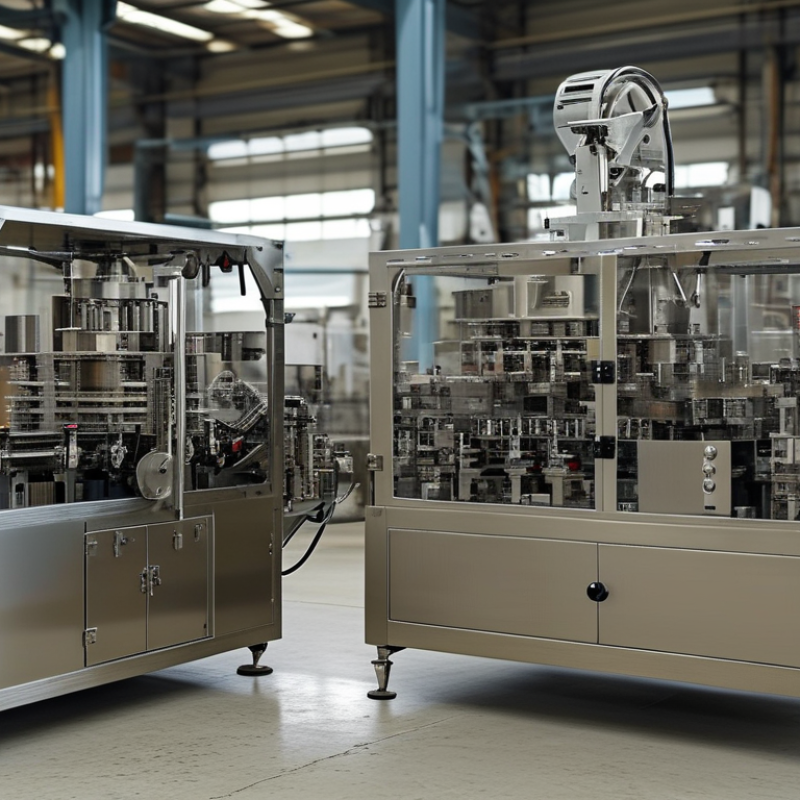
A modern line can include stainless-steel contact parts, servo motors, touchscreen controls, and vision inspection. These details affect hygiene, speed, and maintenance costs.

Strong growth does not make every machine suitable. That deserves attention. Buyers should compare actual output, changeover time, spare-part availability, and energy use. Export statistics show market activity, not guaranteed performance. A machine rated for 120 packages per minute may reach that speed only with stable materials and experienced operators.

From practical purchasing reviews, installation support often matters as much as the machine frame. Ask for factory acceptance testing, sample packaging trials, electrical specifications, and documented tolerances. Chinese manufacturers have improved automation and customization, yet quality consistency can still differ between suppliers. Independent inspection is sensible. A lower initial price may become expensive when seals, sensors, or software require frequent replacement.


Core Machine Types: VFFS, HFFS, Filling, Cartoning, Labeling, and Palletizing

Choosing packaging machines from China starts with the product, not the catalog. During factory audits, I check film tracking, seal strength, changeover time, and spare-part access. VFFS machines suit powders, granules, and snacks packed through a vertical forming tube. They save floor space, but dusty products can challenge sealing jaws. Small details matter.

HFFS systems create horizontal packs for bars, sachets, and delicate products. Their wider sealing area often improves presentation and protects fragile items. Still, speed claims need testing with your actual film and product.

Filling machines must match viscosity, particle size, and target accuracy. Auger fillers handle powders, while piston and servo systems suit liquids or pastes. Multihead weighing can reduce giveaway, although calibration requires discipline. I recommend recording ten consecutive fills, not one impressive sample. That exposes drift.

Cartoning machines erect cartons, insert products, and close flaps at controlled speeds. They help with repetitive labor, yet poor carton quality causes frequent stops. Labeling equipment needs stable containers, accurate sensors, and readable print placement. A label can be technically correct and still look careless.

Palletizing completes the line through case accumulation and stable layer formation. Robotic systems offer flexible patterns, while conventional units may be easier to maintain. Safety guarding and emergency stops deserve attention. Ask for documented testing, electrical drawings, training, and service response times. I have seen attractive quotations hide expensive integration work. That risk deserves honest review.

Performance Metrics: 60–120 Packs per Minute, ±1% Accuracy, and OEE

What Are the Best Packaging Machines from China?

A strong packaging machine should deliver 60–120 packs per minute under real production conditions. Rated speed alone can mislead. Film changes, product shape, and operator adjustments often reduce output. In production assessments, I measure speed during continuous runs, not short demonstrations. A machine producing 100 packs per minute may achieve only 82 after sanitation and material changes. That gap matters.

Accuracy should remain within ±1% for consistent product weight and presentation. Check samples at the beginning, middle, and end of each shift. Small errors can increase giveaway, especially with powders, granules, or irregular pieces.

OEE adds a wider view by combining availability, performance, and quality. A line with 90% speed but frequent stoppages may deliver a weaker OEE than a slower, stable line. My own evaluations sometimes expose this uncomfortable trade-off.

Tips:

Request a factory acceptance test using your product, packaging film, and target speed. Record actual output, rejected packs, changeover time, and unplanned stops. Ask for the OEE calculation method. Keep the data.

Do not accept perfect figures without operating conditions. Temperature, humidity, maintenance quality, and staff training can change results. A practical supplier should explain these limits clearly and provide traceable test records.

Compliance Standards: CE, ISO 12100, ISO 13849, and ISO 11607 Requirements

What Are the Best Packaging Machines from China? The strongest choice is not always the cheapest machine. It should combine stable output, traceable components, and verifiable compliance documents. PMMI’s 2023 State of the Industry report placed U.S. packaging machinery shipments above US$10 billion in 2022. That scale reflects rising demand for automation, but it also raises safety expectations. A Chinese supplier should provide a CE Declaration of Conformity, technical files, electrical drawings, and risk-assessment records.

ISO 12100 requires systematic hazard identification, risk estimation, and risk reduction. ISO 13849 examines safety-related control systems, including performance levels and validation tests. These documents should match the actual machine, not a copied template. For medical or sterile packaging, ISO 11607 is critical. It covers material selection, forming, sealing, and package integrity. Ask for seal-strength data, leak-test results, process validation records, and evidence from production samples. A machine may pass a factory demonstration yet fail after continuous operation. That uncomfortable gap deserves attention.

Tips: Request a sample compliance package before placing an order. Check whether safety doors stop motion immediately. Confirm emergency-stop performance during power recovery. Ask who recalculates the risk assessment after design changes. Do not guess. Independent inspection is useful, especially when guarding, software, or pneumatic systems differ from the approved drawings. Suppliers sometimes provide incomplete files, and buyers sometimes accept them too quickly. Both sides should review the evidence line by line.

Selection Criteria: TCO, FAT/SAT Testing, Warranty, Spare Parts, and Service Availability

What Are the Best Packaging Machines from China?

Selecting a packaging machine from China requires more than comparing purchase prices. Total cost of ownership should include installation, energy use, tooling, film waste, maintenance, training, and expected downtime. A lower-priced machine may become expensive after repeated sensor failures or difficult format changes. Ask for realistic output data, not only the best laboratory speed.

FAT and SAT testing provide practical evidence. During FAT, request a full production simulation using your product, packaging material, and planned speed. Check seal quality, weight accuracy, changeover time, alarms, and operator access. SAT should repeat these checks at your facility. Record acceptance limits clearly. Small details matter. A machine may pass a demonstration but struggle with humid materials on a factory floor.

Warranty terms need specific response times, covered components, and labor responsibilities. Confirm whether remote support is available during weekends and different time zones. Spare parts planning should include heaters, sensors, belts, cutters, and control components. Keep critical items locally when possible. Service availability can decide the machine’s real value. I have seen buyers focus heavily on specifications and overlook technician travel costs. The spreadsheet looked convincing, but the delay was not. A reliable supplier should provide manuals, wiring diagrams, maintenance schedules, and traceable test records. Still, every promise deserves verification in writing.