Is Sustainable Flexible Packaging the Future of Eco Friendly Solutions?
As concerns about environmental sustainability grow, the packaging industry faces a critical challenge. Sustainable flexible packaging emerges as a potential solution, blending innovation with eco-friendly practices. This approach prioritizes materials that reduce waste and environmental impact. It aims to meet consumer demand for sustainable products.
Flexible packaging often uses less material than rigid alternatives. This can lead to lower carbon emissions during production and transportation. However, the recycling infrastructure for such materials remains underdeveloped. Many consumers find it hard to identify what is recyclable. This poses a challenge for brands committed to sustainability.
Despite successes, the journey toward widespread adoption is complex. Some companies hesitate due to costs and logistics. Yet, the potential for sustainable flexible packaging to revolutionize the industry is significant. As brands, consumers, and policymakers collaborate, the future of eco-friendly solutions may very well depend on this innovative packaging approach.
Understanding Sustainable Flexible Packaging and Its Environmental Impact
Sustainable flexible packaging is gaining traction as an eco-friendly solution. This innovation is focused on reducing waste and resource consumption. Traditional packaging often ends up in landfills, contributing to pollution. Sustainable options, however, are designed for a circular economy. They can be recycled or composted, minimizing environmental impact.
One important aspect of sustainable packaging is the materials used. Many designs incorporate biodegradable substances or recycled content. This not only cuts down on the use of virgin resources but also helps create a closed-loop system. It’s crucial, though, to ensure that these materials deliver the same performance as conventional packaging.
Tips for choosing sustainable packaging include prioritizing local materials to reduce transportation emissions. Also, consider the end-of-life options. Can the packaging be easily recycled in your area? This reflection on disposal routes is vital. Additionally, educating consumers on proper disposal methods can enhance the effectiveness of these solutions. By fostering awareness, we can drive a shift toward a more sustainable future.
The Advantages of Sustainable Flexible Packaging Over Traditional Options
Sustainable flexible packaging presents a compelling alternative to traditional packaging options. Its design often utilizes biodegradable or recyclable materials, minimizing environmental impact. Unlike conventional plastics, which linger in landfills for centuries, these innovative materials break down more efficiently. This aligns well with eco-friendly initiatives, attracting consumers seeking sustainable choices in their purchases.
The lightweight nature of sustainable flexible packaging also presents advantages. Less material means lower transportation costs and reduced carbon emissions. Additionally, its adaptable design allows for efficient space utilization during storage and shipping. However, it’s essential to critique the performance of these materials under varying conditions. Some may not hold up as well as traditional options, especially in high-moisture environments. Ensuring that these new materials meet durability standards is vital for broader acceptance.
While sustainable flexible packaging enhances recyclability, there are still areas for improvement. For instance, the availability of collection and recycling systems often lags behind production. Many consumers still struggle with proper disposal methods. Addressing these gaps is crucial for making sustainable options more accessible and effective in reducing waste. Continuous assessment and innovation will help shape the future of eco-friendly solutions.
Challenges and Innovations in the Development of Eco-Friendly Packaging
The shift towards sustainable flexible packaging is gaining traction. However, the journey is filled with challenges. The flexible packaging sector is projected to grow at a compound annual growth rate (CAGR) of 4.7% by 2025. Yet, recycling remains a significant hurdle. Current estimates indicate only about 13% of flexible plastics are recycled globally. This stark statistic highlights the need for innovative solutions.
Innovations are emerging, such as biodegradable materials and plant-based polymers. A 2022 report from the Smithers Group suggests that the market for biodegradable flexible packaging will reach $12 billion by 2026. However, these materials often face performance issues. For example, they may not hold up as well under certain conditions, impacting their commercial viability.
Industry experts advocate for improved collaboration across the supply chain. By sharing knowledge and resources, companies can drive sustainable practices. Nevertheless, progress is slow. Many companies are still hesitant to invest in these new materials. The complexity of consumer preferences adds to the challenges. Balancing sustainability with functionality is crucial but not easy.
Case Studies: Successful Implementation of Sustainable Flexible Packaging
Sustainable flexible packaging is gaining recognition in various industries. A report by Smithers states that the global market for flexible packaging is projected to reach $300 billion by 2025. This growth reflects a shift towards environmentally friendly solutions.
Several case studies exemplify successful implementations. For instance, a leading snack company switched to biodegradable film. This film is sourced from renewable resources and reduces plastic waste. They reported a 25% decrease in overall packaging-related emissions, showcasing a promising transition.
Tip: Consider using compostable materials for small-scale projects. Every little effort counts.
Another notable case involves a beverage manufacturer that adopted recyclable pouches. This innovation not only minimized material use but also appealed to eco-conscious consumers. Their sales increased by 15% following this change. However, challenges remain. Some customers still struggle to understand recyclable labels.
Tip: Educate your audience about proper disposal methods. Clarity builds trust.
Sustainable flexible packaging offers significant potential. However, ongoing efforts in consumer education and improved infrastructure are necessary for broader adoption. Each step brings us closer to a more sustainable future.
Is Sustainable Flexible Packaging the Future of Eco Friendly Solutions?
This chart illustrates the growth in the adoption of sustainable flexible packaging solutions across various industries over the past five years. The data demonstrates a significant increase in the percentage of companies opting for eco-friendly packaging materials, showcasing a trend towards sustainability in packaging practices.
Future Trends and Predictions for Sustainable Flexible Packaging Solutions
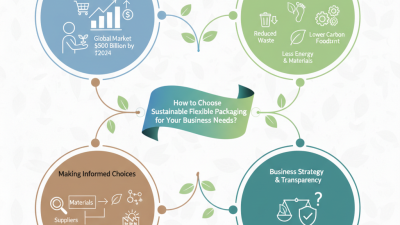
The trend toward sustainable flexible packaging is gaining momentum. Recent studies from Smithers Pira suggest that the global market for sustainable packaging will reach $500 billion by 2027. This shift is driven by increasing consumer awareness of environmental issues. Brands are seeking better materials and solutions that minimize waste.
Innovative solutions include biodegradable films and recyclable laminates. According to the PAC Packaging Consortium, flexible packaging made from renewable materials has grown by 30% over the past three years. However, challenges remain. Not every flexible packaging option is recyclable. The infrastructure for recycling these materials is still developing in many regions.
Another area of concern is the materials used in production. Many bioplastics, while renewable, require significant resources to produce. The industry must address these trade-offs. There's a growing need for transparency in sourcing and processing. As sustainable solutions evolve, ongoing research and collaboration will be vital. Evaluating the true environmental impact of packaging choices remains essential as companies strive for a greener future.